Leaderboard



Popular Content
Showing content with the highest reputation on 06/04/2026 in all areas
-
Thank you so much, this is a lot of useful information and it’s really going to help me out. When looking at screen used helmets, I noticed that they were slightly translucent so I figured that they were from a cast or mold. For the clear coat, I’m not sure whether you’re talking about 2K SprayMax or Rust-Oleum, but I’m leaning more towards Rust-Oleum because I have it in hand. I’ve had the Rust-Oleum gloss give some orange peel before (or it might have just been the flat white I used) so I think my plan will be the spray the gloss white, spray the gloss clear, then lightly sand down the gloss clear with some super fine grit. Like I said, I don’t need a mirror finish, so having it more smooth than shiny is actually better for me. I understand that yellowing is inevitable, but it’s not the end of the world to me. I’ll pick up some satin granite and satin black the next time I’m at Home Depot (along with materials for my DLT-19 build) and starts working on that when I can, thanks again for everyone’s help.1 point
-
All grey:1 point
-
I think you're off to a really solid start with the paint! As several members pointed out to me during my own build—and based on my subsequent research—these new-era suits weren't actually painted white. That glossy sheen comes directly from the molds the armor was produced from. Achieving that exact factory shine is a bit tricky to replicate, but it's definitely doable. A 1K clear coat will probably get you closest, but to your point about yellowing: it won't entirely prevent it. The chemical compound in 1K clear isn't nearly as robust as a 2K clear, but it should hold off yellowing for a few years. Sun exposure will certainly expedite the process, but even if the armor sits in a plastic tote in your attic, it will inevitably yellow over time. Regarding sanding: the higher the grit you use, the more orange peel you'll remove, but you need to work up through the grits in steps. Since the screen-used suits weren't painted, they don't have true orange peel, though they do have small mold imperfections that resemble it. Normally, wet sanding is followed by a heavy compound and a fine polish. However, if you do a pass with something like 1500-grit and follow it with a lighter, "poor" polish, you’ll likely get closest to the screen-accurate finish you're aiming for. From the SWC22 references, it’s clear this specific helmet was resprayed prior to the show (you can see the overspray on the cheek vents), which actually gives us some great insight into the paint details: Vocoder & Ear Greebles: The vocoder has a slight sheen to it, which I’d argue is a satin finish. Similarly, looking at the lower angles and the shots of the ear greebles, those are also a satin grey (which is why myself and others have used Satin Granite). Forehead Trim: On the screen-used suits, this is technically a matte rubber. However, I think a dusted coat of satin paint mimics the look of real rubber much better than a true flat matte paint. Flat matte is also highly prone to scuffing and scratches. Because of this, some troopers advocate for Plasti Dip here to get that rubberized texture. (I’m currently working with someone to source an accurate rubber trim, as the one TKModder used to import from the UK is no longer available in the States). Hovi Mic Tips: You could probably get away with a matte finish on these, but I opted for a satin coat on my last helmet to tie them into the vocoder. I might switch it up on my next one and try matte just to see how it compares. From this angle, you can clearly see the orange peel on the helmet from the rush respray, which is entirely absent on the chest plate. Because the helmet refresh was done in a hurry, the blue on the vents is a much lighter shade than what we've seen on other reference suits. The Brilliant Blue you're using should get you pretty close. That said, if it's meant to match the blue seen lower on the abdomen armor, it might need to be a shade darker. Technically, the blue section on the screen-used helmets is actually a breathable mesh fabric (as seen in some Kenobi BTS shots), so it’s always going to be tough to perfectly mimic that "texture" on a solid piece of painted plastic. You're doing a fantastic job so far—keep it up!1 point
-
Yeah it was hard to stop as I really wanted that kit to work. Yet, as we now have more images of them and a Hott Toys figure, it is good I waited due to better accuracy for this new kit...well I hope I'm really looking forward to this kit from WTF... it's one that I totally want to rock at Celebration. It all just depends on when the kits are sent out. I picked up a helmet from Skygunbro-Customs but still printing one out.1 point
-
Hillo my Brothers & Sisters here of the FISD ! Just a few thoughts while I'm Off Duty .. Firstly, Did You Know ... The Legion Has an Official Podcast ? ReStarted this year ! 👇 https://m.youtube.com/@501stcastpod or 👇 & ANYWHERE you can find SW podcasts! Legion aside, I've been a Long Time listened of So Many Audio SW pods, What or Who's are Yours ? A Few of my daily listens, - CantinaCast - FanthaTracks - Holonet Marauders - Generation Xwing (501st) Who are You Listing to ??1 point
-
Please add your user ID, example below Please add both TKID and the User ID to your request, you can find this in the legion Holocron
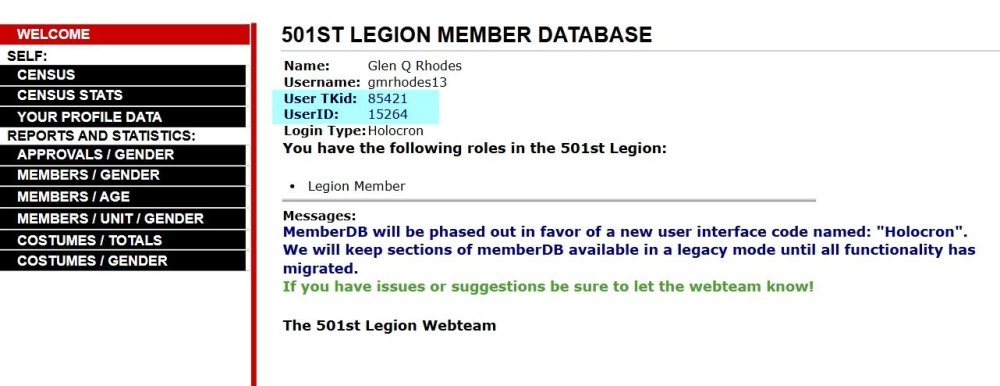 1 point
 -
I can attest. This looks amazing in person. A fine job! You are way more patient than I am!1 point
-
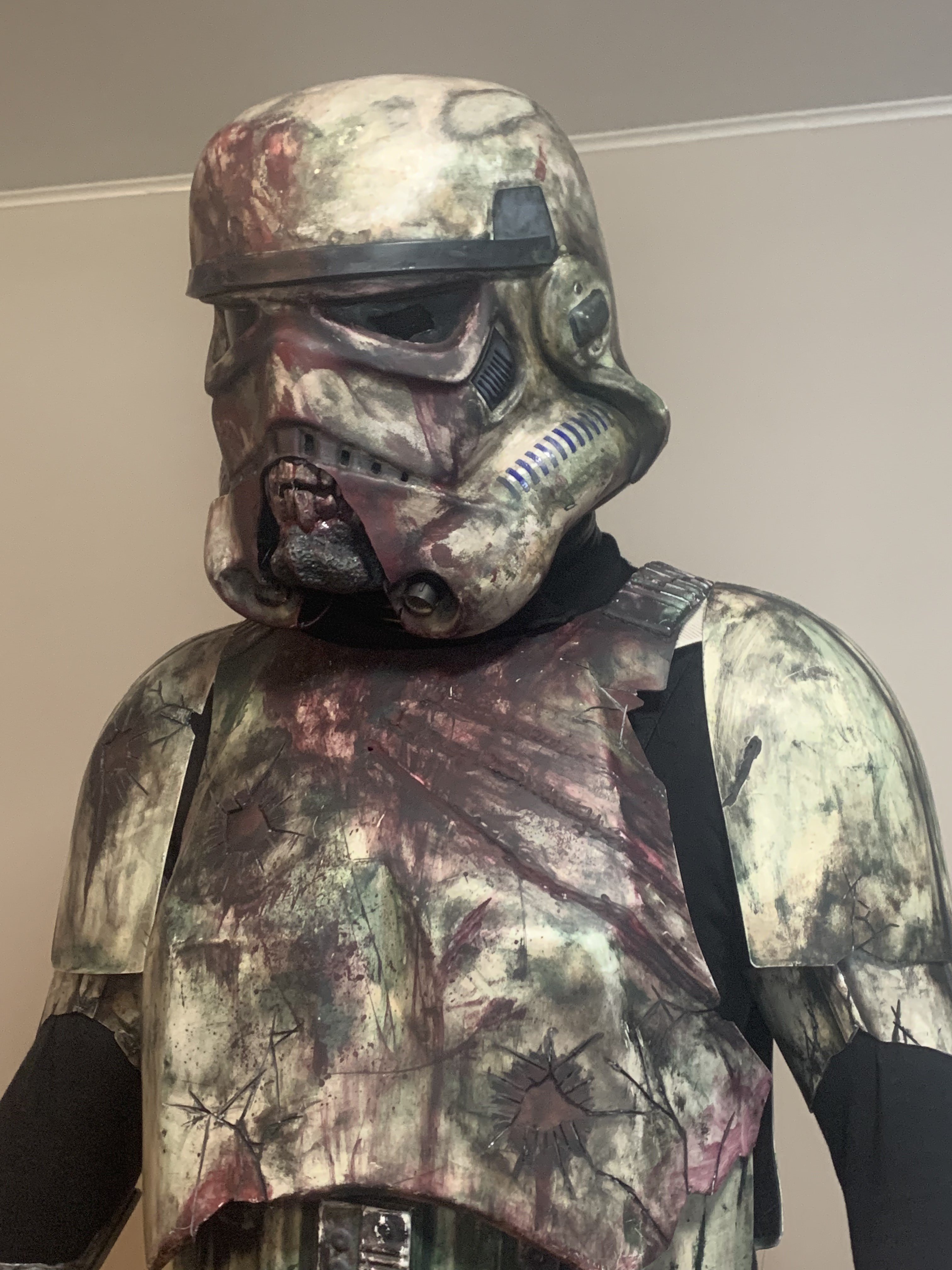
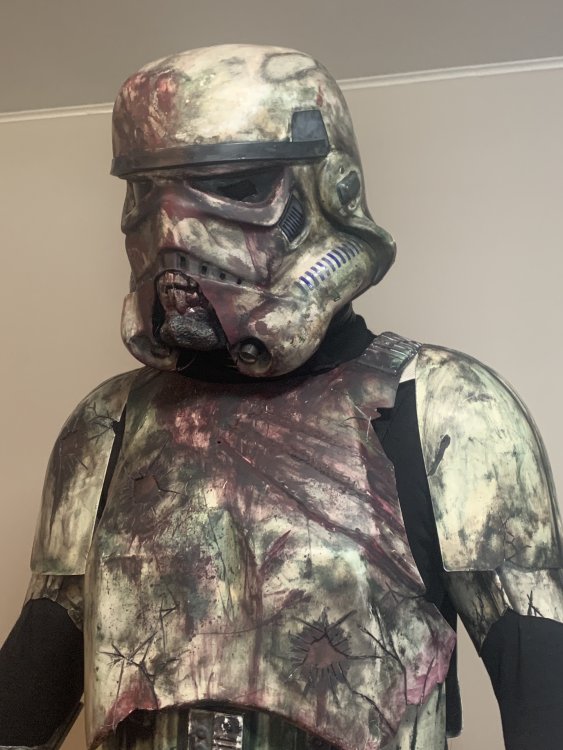
Dude! This is looking killer. The open mouth on the helmet seems to be a popular trend and is actually a thing in the book if you haven't read it. That's what I did with my TK. Can't wait to see how yours turns out!
 1 point
 -
The elastic is both brown AND black. The way it is fixed to SU costume is with the brown side facing downwards and black side facing up. That applies to the DT, ST, TK and fair to assume Tanker and ATACT.1 point
.thumb.JPEG.090a51d263498dd94183c8dca58c9ff4.JPEG)
.thumb.png.69856e02550a2e6d07e44a2b1bda020c.png)