Leaderboard


Popular Content
Showing content with the highest reputation on 11/04/2017 in Posts
-
Nothing better than a BBB, following others builds with help you, good luck with the build1 point
-
Lens time. I took a lot of pictures, but suffice to say, I learned a few ways to NOT install bubble lenses in a helmet I decided to go with the clip method instead Made six of these bad boys, got too in the groove before I remembered to stop and take a picture. I rounded all the edges because having sharp stuff near my eyes seems like an extraordinarily poor decision, even for me. No real inbetween shots to speak of, but here is the final product Three clips, per eye, padded out the helm and added some screen. You can't tell, but I painted the screen black. Took a shot of my S edging too, so I won't have to undo it later. I also too the opportunity to thin out some of the lines around the traps and tears Quality control.1 point
-
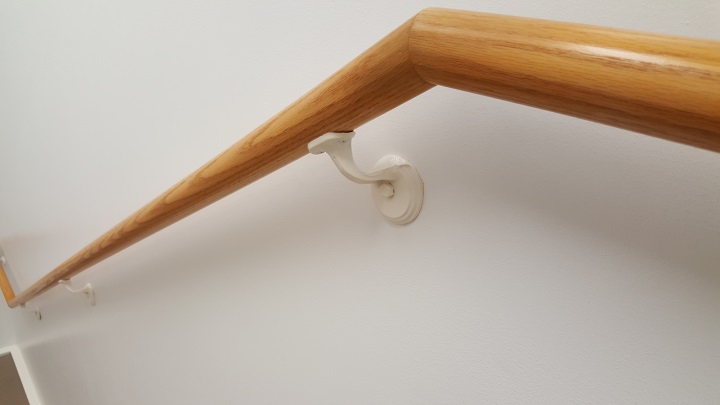
....when everyday things start reminding you of it.
 1 point
 -
Thanks, I plan to look at padding in the shins and thighs and yes ..... the chest..... it’s driving me nuts ..... it needs a lot of fettling ..... One thing though.... my armour has been on and off so much over the past couple of days I’m getting a dab hand at putting it on ..... so something positive has resulted from all of this Sent from my iPhone using Tapatalk1 point
-
oh no.. another impossible decision. Its the Orlando Patch submission all over again. lol1 point
-
And one more...
 1 point
 -
This has been a great thread to read. Your armour is looking great. I think I will need more magnets for my build after seeing yours. I look forward to your next update.1 point
-
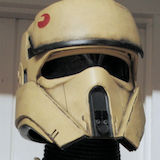
Shoretrooper Helmet Paint Tutorial Here are some pictures showing the textures of the Shoretrooper helmet under different lighting and across different costume displays. Aside from a similar roughness on the hip plates this texture does not seem to occur anywhere else on the armour. It seems deliberate by the art department that painted them and I do not think it is to replicate ware and tare or corrosion. Instead I believe it is intended to give the helmet a cast metal appearance like that of cast iron or steel. A similar rough and varied pattern like that seen on a Sherman tank. This rough texture gives the Shoretrooper a very unique aesthetic one of which is not seen on any other Star Wars helmet so it should not be overlooked nor dismissed. It is important to note that while the texture covers the entire helmets surface it is not present on any of the black areas i.e. the snout, forehead brim, ovals on the ears and areas inside the ears, vertical vents along the back, the detailing under the brow above the lens, fin greeblies under the front, black rim around the neck, the 2 horizontal slots along the bottom back edge, the thick and thin black stepped bands behind the forehead at the side including the beige band in-between and the 2 short slots cut into either side cheek. The picture below shows the paint flaking off and revealing the brown material the helmet was cast in. This flaking paint can also be seen across all the costumes over all parts of the armour in various displays post filming. I do not believe this flaking effect was intentional and is a result of usage on set from filming and stunts etc. Images from the Rogue One Visual Guide and the leaked image (shown below) do not show evidence of the flaking therefore on this paint application I will not be masking areas for the paint chipping effect. Instead I will be replicating the scratching and scuffing that is seen in the image below and the visual guide. Masking With a small, old paintbrush Humbrol Maskol can be used to carefully mask all the areas mentioned above. A hairdryer will speed up the process. I apply 3-4 coats to make sure there is no paint bleed later on. Masking tape is used for the larger areas. Take time to mask the areas carefully. The lens must be masked properly. The Anovos is glued together well and has to be painted assembled. Paint bleeding onto the lens would not be clever. I have made sure the masking tape is tucked under the edges and sealed it with Maskol just to be sure. Important not to let any paint get inside the helmet onto the padding. Once all the areas are masked give the surface a very light sanding and a wipe down ready for the paint application. Adding Texture I am using these 2 texture paints to get the correct look. Rust-oleum Brown Hammered Finish and Rust-oleum Cast Iron (I also use a third texture paint, a light spray of Rust-oleum Aged Iron which helped to get a little bit of the grainy feel to some parts of the helmet) The paints were applied in the following order. Light covering of cast iron and light covering of hammered. Coat the helmet in cast iron. Coat the helmet in hammered. The result of these 2 paints being layered in such a way looks like this. The texture is not too tight and not too loose. It is at this point I gave it some light passes with the aged iron effect Rust-oleum for more grainy areas. To knock it all back and to give a little variation and irregularity in the texture across the surface of the helmet I sanded areas with a very fine sanding block. Nothing too severe. The final texture looks like this. Removing the Masks The reason I applied the Humbrol masking fluid so thick was to make it easier to peel off with the many layers of heavy duty paint on top of it. Very carefully remove the masks from the all the areas of the helmet except the front fin greeblies, the lens, the snout and the neck rim around the bottom. Once all the masking fluid has been removed give all the surfaces a gentle wipe down ready for final paint. Painting It has long been known that the armour was cast (not painted) in a dark brown almost black colour as stated by Glyn Dillon the costume designer of the Shoretrooper. I have heard the colour scheme of the Shoretrooper was influenced by German WW2 Messerschmitt fighter planes and I expect this brown chosen was intentional. I feel it is important to include it in the paint scheme. There are a few reference pictures where it has been possible to see the brown colouring of the material used for the armour. One of the more recent images is from the bonus features on the Rogue One DVD shown below. Here is another image showing the brown being revealed beneath the paint flaking off from the abdominal plate. More brown material showing through on the front of the bucket. Allthough the exact colour has not been confirmed as yet, it looks to be a dark red/brown. I have chosen Vallejo Dark Rust. Not available in a rattle can so will have to be ran through an airbrush. In order for the brown to remain dark and to avoid it "popping" and being too bright it is necessary to spray a matt black base coat first. I have used an inexpensive Halfords Matt Black however any brand will suffice. Once the black base is completely dry. Coat with the Vallejo Dark Rust 302 and cover until a flat even coat has been achieved. You can see in these pictures where the masking has done its job. When the brown is dry add 3 to 4 coats of clear lacquer. The images below show a comparison between the screen used colour and my version and some shots under different lighting conditions. Top Coat Using the Montana Gold sahara beige I apply light even coats until the helmet has an even flat coverage. For this application I am not masking off areas for the paint flaking effect. The sahara beige goes on quite thick and acts like filler when added over the textured surface which works to an advantage. Painting in the details Using a stencil the forehead emblem is added using Halfords Toyota Red 3E5 (the same red used for the Shoretrooper's right bicep) The masking from the snout and the fin greeblies can now be removed. The outline of the snout is masked off again ready to give it a matt black finish. The snout is not grey as I first thought. I run Vallejo matt black acrylic through an airbrush and apply it straight on top of the Anovos paint. I do not use any primer. When finished I give it a couple of light coats of Humbrol acrylic matt varnish. All the black details are now carefully filled in. I hand paint them with a brush using the matt black acrylic. After all the details have been painted, the helmet is given a couple of coats of Humbrol satin coat acrylic varnish. All of the masking tape can now be removed. Weathering To add the dirt and damage I am using 2 colours. Black and burnt umber acrylic. 60 grit sandpaper is used to recreate the scuffs and scratches that are seen on the screen used helmet. The paint is mixed thin and watery. I also apply it thickly. Important to note where the dirt is applied to the helmet. I am going to mimic what I have seen on displayed costumes. The weathering does not go up into the recesses around the eyes or under the forehead above the lens. This area is quite clean across most of the helmets I have seen. I am going to do the same because I like the look. Using a large brush I stuff the paint up into the corners and edges of the helmet. With an atomiser spray clean water over the wet paint and let it run down into the recesses. A hair dryer helps to speed up the process. Using a sponge I can dab off the excess paint leaving the remainder to settle where I want it to. 60 grit sandpaper is used to scuff the edges and tear away the paint. Very carefully and lightly hit the edges of the helmet and try to recreate the marks and damage seen on the screen used. Pay close attention to where the damage is occurring from reference images you are using. Try not to over do it. This is just the first pass so do not do it all in one go. After a few scratches have been added keep repeating this process of black and brown paint, atomise with water, let settle and dry. As the weathering builds up I start to use fine wire wool over the surface of the helmet to remove some of the paint but leaving it where I want it in the cracks and crevices. The fine wire wool also helps to continue smoothing out the surface created with the texture paints. Making it appear more of a loose texture than tight. This will also leave the dirt sitting in the recesses of the texture recreating the effect seen on the screen used buckets. Using a smaller brush I can build up the dirt heavier in the areas I want it. I keep at it until I am satisfied with the results. If the sandpaper has ground too deep and revealed the paint underneath it can be touched up to hide it. Using the Vallejo dark rust. When I am happy and everything is where it should be I give it a misting of Humbrol acrylic satin varnish avoiding the snout. The Finished Helmet Before and after picture. A comparison shot with the screen used helmet on the left. Displayed with the complete build.1 point